

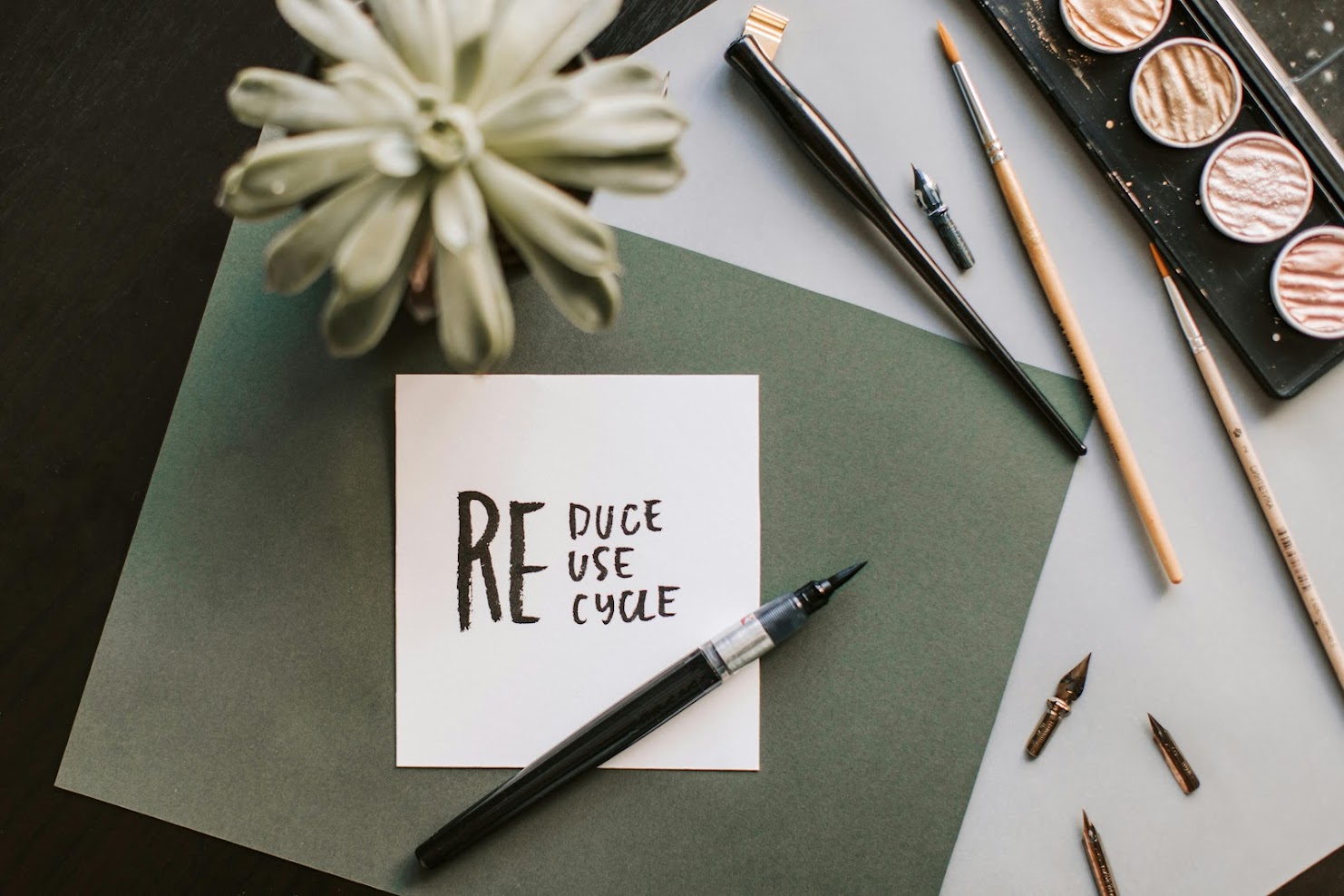
Towards a Circular Economy: Sustainable Practices in the European Furniture Industry
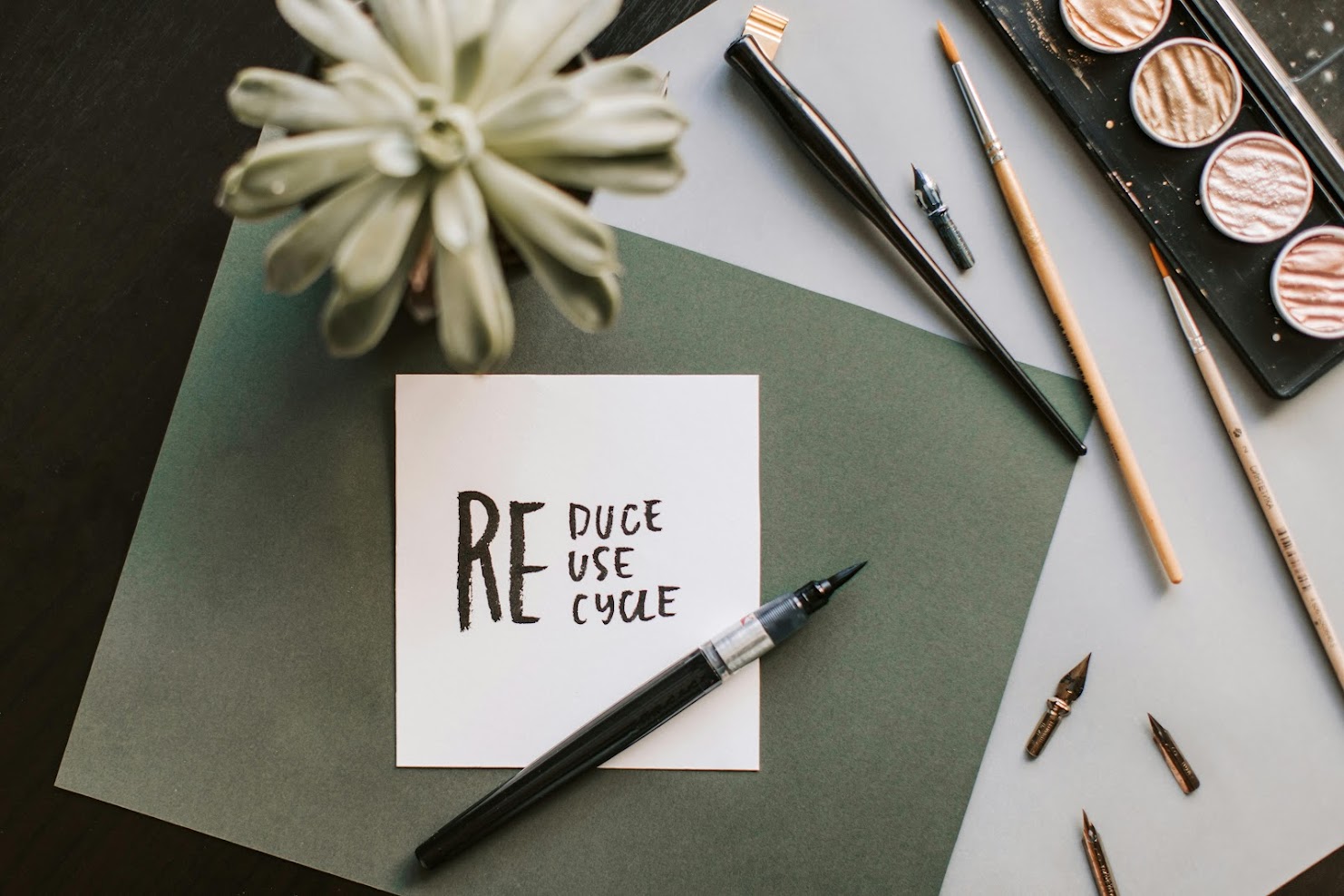
The concept of a circular economy is gaining traction across Europe as industries seek to minimize environmental impact and maximize resource efficiency. In the furniture sector, this translates into a paradigm shift from linear production models to systems that emphasize reuse, recycling, and regenerative practices.
One of the core tenets of circularity is eco-design — the idea of designing products with their entire life cycle in mind. For the furniture industry, this involves selecting sustainable materials, ensuring durability, and facilitating disassembly for repair, reuse, or recycling. Such design principles not only extend the life of products but also make it easier to manage waste and reclaim materials at the end of their lifecycle.
Another key area of transformation is the sourcing and usage of raw materials. A growing emphasis is placed on using recycled content and renewable resources, such as sustainably harvested wood and bio-based polymers. By reducing dependence on virgin materials, manufacturers can significantly lower their carbon footprint and conserve natural ecosystems.
The shift toward circularity also includes new business models such as product-as-a-service, leasing, and refurbishment programs. These models prioritize long-term value and customer relationships over one-time sales, encouraging manufacturers to produce higher-quality, longer-lasting furniture. They also align with changing consumer attitudes that favor sustainability, transparency, and ethical consumption.
Policy support at both the EU and national levels is accelerating this transition, providing funding and frameworks for innovation. Education and collaboration between stakeholders — including manufacturers, designers, researchers, and consumers — are essential to overcoming the technical and cultural barriers to circularity.
The move toward a circular economy represents not just an environmental imperative but also an economic opportunity. By embracing sustainable practices, the European furniture industry can lead by example, creating products and systems that are resilient, future-proof, and aligned with the values of a responsible society.